Boiler room : what about gas risks ?
Since the end of 2019, fixed gas detection has become mandatory in boiler rooms. Indeed, previously located at 2 MW, the declaration threshold has been lowered to 1 MW since the decree n° 2018-704 of August 3, 2018. The boiler rooms then had until December 2019 to comply.
Find here the important dates to remember.
Reminder of the decree

Article 1
Combustion appliances consuming biogas produced by methanization installations classified under heading n° 2781-1 in a combustion installation with a total rated thermal input of more than or equal to 1 MW and less than 20 MW comprising only combustion appliances classified under point 1 of heading 2910-A are subject to the provisions of Annex I.
Combustion appliances with a rated thermal input of less than 1 MW are not subject to the provisions of this order.
Reducing gas-related risks in a boiler room

Regardless of their power, boiler rooms present several types of risks.
To reduce these risks, it is strongly recommended to install a gas detection device, preferably fixed. The installation of these detectors follows precise regulations (locations, controls and maintenance).
Better understand gas risks in boiler rooms

The risks related to gas in a boiler room are numerous. It is therefore necessary to understand and identify them. The main risks are :
- The risk of fire and/or explosion, linked to flammable gases such as methane, butane, propane, etc.
- The risk of poisoning, linked to toxic gases such as carbon monoxide (CO)
- The risk of suffocation or asphyxiation, due to the lack of oxygen, which can be consumed or displaced by another gas.
Here is the list of the best equipment to protect you:
Fixed detection : MX32, MX43, OLC10 et OLC100
Portable detection : PAC 6500 et XAM 2500


The risk of explosion

This is the main risk in a boiler room. Indeed, the ignition capacity of gases such as methane, butane, propane, etc., and their rapid propagation in ducts and other conduits, create explosive atmospheres. The risk is generally in the fluid and fuel supply circuits.
A malfunction in the fuel supply can quickly lead to an explosion in the boiler furnace, due to an air/gas mixture in the explosive atmosphere.
The risk of poisoning

The risk of poisoning in boiler rooms is generally linked to the presence of carbon monoxide (CO). This colorless and odorless gas is nevertheless toxic and sometimes fatal. It comes from incomplete combustion of carbon compounds, such as gas, coal, wood, etc.
If breathed in, it can cause two types of intoxication:
- Mild or chronic intoxication: headaches, nausea, fatigue, vomiting, etc.
- Severe and rapid intoxication: behavioral disorders, dizziness, loss of consciousness, coma and even death.
This gas can be fatal in less than an hour, which is why it is essential to detect it quickly.
The risk of asphyxiation

Asphyxia is the deprivation of oxygen in the body with disruption of all respiratory processes resulting in :
- hypoxia (decrease in the amount of oxygen)
or
- anoxia (absence of oxygen)
Asphyxia due to lack of oxygen causes severe discomfort and serious respiratory consequences that can lead to coma and death.
This situation can occur in confined spaces, where the CO² or hydrocarbons emitted will cause a lack of oxygen.
In the case of boiler rooms, it is the biochemical asphyxiants that are at stake. Indeed, they can prevent the transport of oxygen and the good oxygenation of blood. This is the risk of incomplete combustion with the release of CO.
Operation of the gas detection system in the boiler room
The gas detection system consists of one or more detectors, with or without a detection cell and an electronic control unit, all coupled with a remote transmission system to a permanent on-call service. The central unit activates an alarm circuit as soon as the detection threshold is reached.
This device must cut off the fuel supply and interrupt the electrical supply, except for the supply of materials and equipment intended to operate in an explosive atmosphere, the very low voltage supply and the emergency lighting, without this maneuver being able to cause an arc or spark that could trigger an explosion.
The number of detectors to be installed is defined according to the number of boilers present in the boiler room. The purpose of installing detectors is to prevent explosions or intoxications caused by gas leaks. The location of the detectors is determined by the operator according to the risk of leakage.
It is customary to install :
- One gas detector per heating equipment (boiler)
- A general detector in the center of the boiler room, in the upper part for gas boiler rooms with high ceilings (over 3 meters).
As a reminder, all boiler rooms must be equipped with a ventilation system with a fresh air intake at the bottom and an air outlet at the top. - A collector above the heating equipment, at about 1.5 meters, in a device allowing to trap the gas.
Equipment maintenance
Every two years, authorized organizations must carry out inspections for boiler rooms with fuel-fired boilers (liquid, gas, coal or lignite).
In order to preserve the safety of the employees and the material, it is also imperative to carry out every year the maintenance of the whole chain of automatic cut-off (gas detection, signal transmission, closing of the gas supply).
Discover our other articles

Boiler room regulations: dates to remember to be in compliance with the August 3, 2018 order?

Risks related to gases: flammable, toxic or asphyxiating

Carbon monoxide (CO) : risks, legal aspects, gas detection ...
Our selection in fixed gas detection
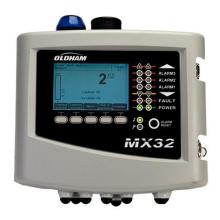
Digital and analog MX32 control unit
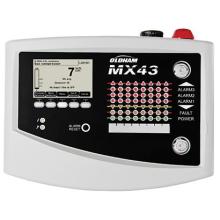
MX43 Oldham digital and analog control unit
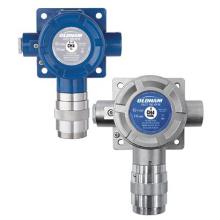
Sensor Transmitter OLC(T)100 ATEX