Phosphine on the star of the Shepherd?
An article published on September 14 in the British journal Nature Astronomy indicates that traces of phosphine (or phosphorus hydride) have been detected in the atmosphere of Venus.
On Earth, it is a rare gas in its natural state. It is highly toxic but its presence can be an indication of life forms...
But what is Phosphine and what is it used for? In this article, we are going to return on its description and the uses which one makes of it.
Description of Phosphine

Phosphine, phosphorus hydride, hydrogen phosphide, or phosphane is an inorganic compound of phosphorus and hydrogen with the formula PH₃.
It is a highly ecotoxic, phytotoxic and highly toxic gas for mammals and humans, and "for which there is no antidote". However, it is the most widely used pesticide as a fumigant, despite the fact that an increasing number of strains of target species have become resistant to it.
Since 2016, this product is no longer authorized for use in agriculture in France.
The dangers of Phosphine

Phosphine (PH₃) is a gas consisting of phosphorus hydride. Its main characteristics are:
- Colorless
- Flammable with a lower explosive limit (LEL) of 1.6%, much lower than Hydrogen H₂ (4%) and Methane CH₄ (5%)
- Very toxic
- Alliaceous odor (fish or garlic)
Phosphine acts on the central nervous system and lungs, causing pulmonary edema.
Symptoms such as weakness, vomiting, headache, and chest tightness may appear quickly after exposure. Even short-term exposure to large amounts of phosphine can cause chronic neurological problems.
When to protect yourself from phosphine ?
- Rodenticide used to kill moles or other small mammals considered "harmful".
- Dopant in the semiconductor industry.
- Destruction of insects (insecticide) and mites (acaricide) in stored foodstuffs and seeds (barrels, silos, ship holds, etc.).
1 - A rodenticide product kesako ?

A rodenticide or rat poison is a substance with the property of killing rodents.
They are biocides classified as chemical and lethal methods of rodent control.
Rodenticides are used in the domestic, agricultural and rural environment and in the food industry. They are used to control or eliminate populations of mice, ground squirrels, coypu, voles and by extension moles (which are not rodents but insectivores).
For the general public, they are or have been marketed in several forms:
- Track powders,
- Oily concentrates,
- Ready to use baits (in grains, blocks, waxed blocks...).
In most countries including France, Belgium, Canada, Switzerland, fumigants (for fumigation of galleries dug by rodents) can be purchased and used only by approved companies.
2 - Phosphine: a high purity raw material for the semiconductor industry

Phosphine is an indispensable gas in the manufacture of computer and LED lighting.
Electronic grade phosphine has three main applications, it is used to:
To manufacture LED lighting (mainly the red and yellow portions)
For certain types of high performance solar cells
As a doping agent for the manufacture of semiconductors
Phosphine-containing chips produce red and yellow light, so nitrogen-based blue diodes are used for general lighting, while the big screen market uses phosphine-based LEDs.
To this day, phosphorus remains the most widely used molecule in the manufacture of semiconductors. It is impossible to manufacture an electronic chip without phosphorus, these are the laws of physics.
The doping is to voluntarily introduce impurities in a semiconductor to promote its conduction.
3-What is fumigation?

Fumigation is an operation that consists of spraying a toxic gas, in a closed enclosure to perform a curative treatment that aims to destroy pests (insects, rodents, ...) and especially, without toxic residues.
The gas most used, during these operations, is PHOSPHINE PH₃.
It is neither a smoke, nor a fog that is sent, but an aerosol, which falls back very quickly. The quantities of gas used are minute.
Fumigation is used for bulk goods such as cocoa, rice, nuts and animal feed products. It eliminates all stages of the life cycle of the targeted pests, with the advantage of being non-contaminating and leaving no pesticide residue.
It takes some time for the fumigant to work effectively. The time "under gas" is called the "exposure period". When Phosphine is used at a specific temperature, it usually takes 14 days to achieve the best results.
It can also be used for treatment on containers (which have been previously sealed), silos.
How to protect yourself from Phosphine?
- The first thing to do is to inform the personnel about the toxicity and the risks related to phosphine
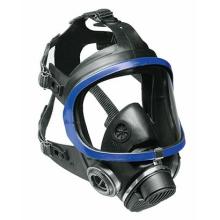
- Provide panoramic filtration masks with a type B filtration cartridge
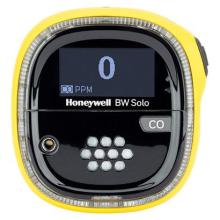
- Carry out regular atmosphere checks or, better still, ensure continuous monitoring of phosphine levels
- Work with 2 people
Our selection